
PayFac vs. Payment Processor vs. Gateway: Every Model Explained

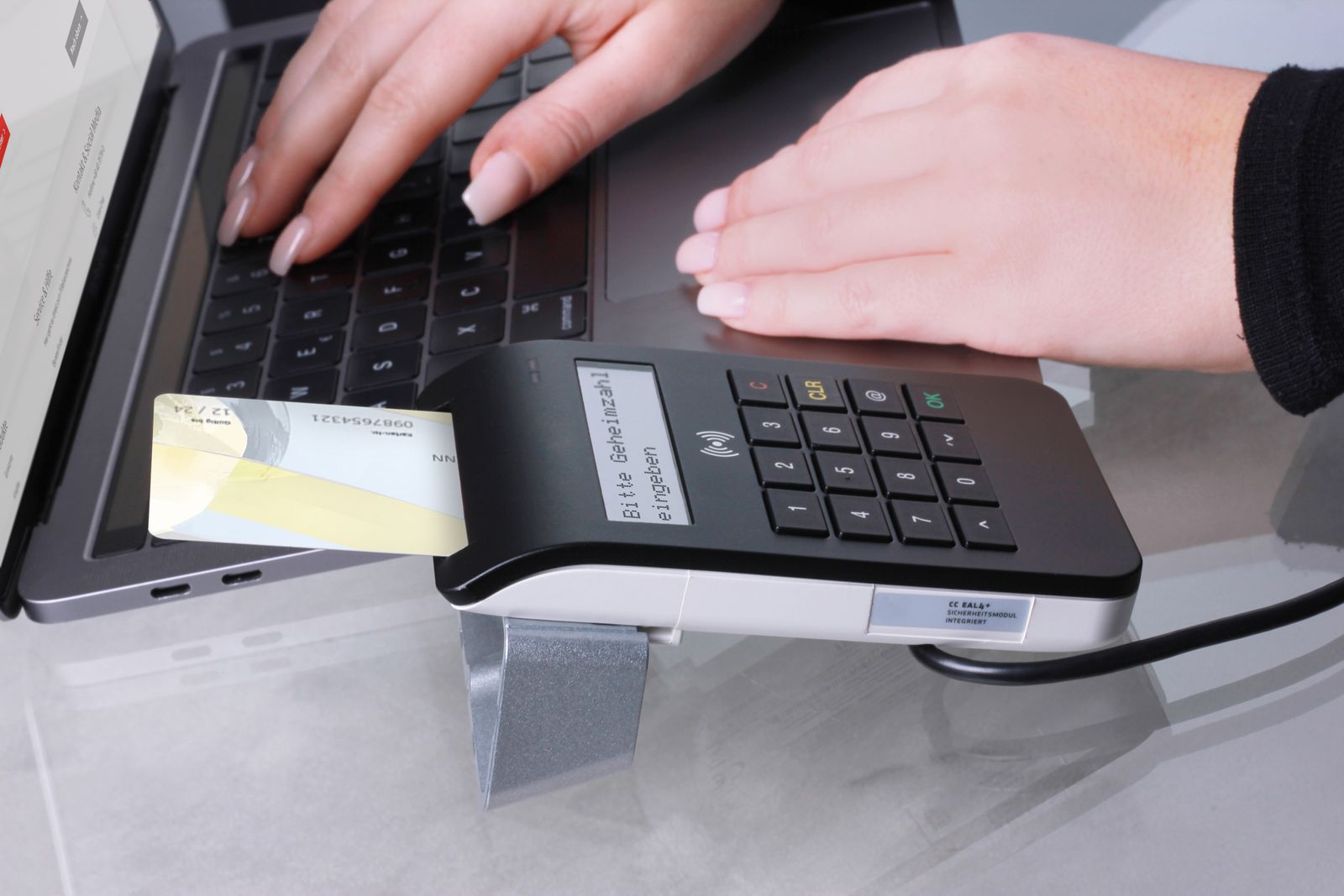
PayFac vs. payment processor vs. gateway vs. aggregator vs. merchant of record: what each layer of the payments stack actually does, how they fit together, which ones overlap, and which model your business needs.
PayFac vs. Payment Processor vs. Gateway: Every Model Explained
Quick answer: These aren't competing options, they're different layers of the same stack. A gateway transmits payment data securely from your checkout. A processor executes the transaction between card networks and banks. A payfac sits on top of a processor and aggregates many businesses under one master merchant account so they can onboard instantly. A payment aggregator is another name for a payfac. A merchant of record wraps around all of it and becomes the legal seller, taking on tax and liability. The real question isn't which one to pick, it's how far up the stack you want responsibility to transfer.
Most payment comparisons go wrong by treating these terms as alternatives. They're layers. A payfac uses a processor. A processor works with a gateway. A merchant of record includes all three. Understanding the stack makes it obvious what any given provider is actually selling you, and more importantly what it's leaving on your plate.
This guide defines each layer, shows how they connect, and maps out which model fits which business. For a deeper look at the payfac model specifically, see what a payment facilitator is.
The payments stack, layer by layer
Here's the full path from checkout button to money in your bank account.
1. Payment gateway. The technology that captures card details at checkout, encrypts and tokenizes them, and transmits them for authorization. It's the digital equivalent of a card terminal. Authorize.net is a classic standalone example. Gateways move data. They don't move money, take liability, or touch tax.
2. Payment processor. The entity that executes the transaction, routing authorization requests through the card networks to the issuing bank and back, then handling settlement. Processors do the actual work of moving money.
3. Acquiring bank. The bank that holds the merchant account receiving the funds, and that carries ultimate financial risk for the merchants it underwrites.
4. Payment facilitator (payfac). A layer on top of processing. The payfac holds one master merchant account with an acquirer and onboards businesses as sub-merchants underneath it, taking on their underwriting, risk monitoring, and chargeback exposure in exchange for instant onboarding and a blended rate.
5. Merchant of record (MoR). Not a technical layer but a legal role that wraps the whole stack. The MoR is the entity legally accountable for the sale: it remits sales tax and VAT, absorbs chargeback liability, maintains PCI compliance, and appears on the customer's card statement.
The layers stack rather than compete. When you use Stripe, you're getting a gateway, a processor relationship, and payfac onboarding in one product. What you're not getting is the merchant of record role, which stays with you.
PayFac vs. payment processor
The most common confusion, and the simplest to resolve: a payfac uses a processor.
A payment processor executes transactions. It's infrastructure. Historically you'd have a direct relationship with one, alongside your own merchant account from an acquiring bank.
A payfac is a business model layered on top of processing. Its actual product is aggregation and onboarding: it holds the merchant account, absorbs the underwriting work banks used to do, and lets you start selling in minutes.
Practically speaking, if you can sign up and take a payment the same day without submitting financials, you're on a payfac. (For the major providers in each category, see payfac companies.) If you went through underwriting and received your own merchant ID, you have a direct processing relationship, probably arranged through an ISO. (See PayFac vs. ISO.)
Neither arrangement makes anyone but you the legal seller, so tax stays yours in both cases.
PayFac vs. payment gateway
A gateway is pure technology, a payfac is a business model, so comparing them is a category error, though vendors blur the line by bundling.
The gateway's job is narrow and technical: capture card data securely at checkout, encrypt and tokenize it, pass it for authorization, relay the response. It doesn't onboard merchants, hold merchant accounts, underwrite anyone, or take liability.
A payfac needs gateway functionality to operate and either builds it or partners for it. Modern payfacs bundle gateway, processing, and onboarding into one product, which is why most businesses never shop for a gateway separately anymore.
If a provider offers only a gateway, you'll still need a merchant account and processing relationship. (See Merchant of Record vs. Payment Gateway.)
Payment aggregator vs. payment facilitator
These are the same thing under two names.
"Payment aggregator" is the older term, describing exactly the structure payfacs use: aggregating many merchants under one master account. PayPal pioneered it at scale. When Visa and Mastercard formalized the model in the early 2010s, "payment facilitator" became the official designation, and the industry gradually adopted it.
You'll still see "aggregator" in older documentation, in regional markets, and in some regulatory contexts (India's regulator, for instance, distinguishes aggregators formally). For practical purposes, treat them as synonyms.
PayFac vs. PSP
"Payment service provider" is a broader umbrella term, and it's used loosely enough to be genuinely ambiguous.
Strictly, a PSP is any company providing payment acceptance services, which can mean gateway plus processing, with or without the aggregation structure. Most modern PSPs do operate as payfacs, which is why the terms get used interchangeably.
The practical question to ask any PSP: do I get my own merchant ID, or am I a sub-merchant under yours? That answer tells you whether you're dealing with the payfac model, with all its implications for onboarding speed, pricing, and account stability.
Every model compared
| Model | What it is | Onboarding | Holds merchant account | Remits your tax | Legal seller |
|---|---|---|---|---|---|
| Gateway | Technology layer | Immediate | No | No | You |
| Payment processor | Transaction execution | Days to weeks | No (bank does) | No | You |
| ISO | Merchant account reseller | Days to weeks | You get your own | No | You |
| PayFac / aggregator | Merchant aggregation | Minutes | Payfac's master account | No | You |
| PSP | Umbrella term, usually payfac | Usually minutes | Usually theirs | No | You |
| Merchant of record | Legal seller role | Days | The MoR's | Yes | The MoR |
Read down the last two columns and the picture is stark. Every model except the merchant of record leaves you as the legal seller with the tax obligations attached. The payment layers differ in speed, cost, and control. Only the MoR changes who is liable.
Which model does your business need?
A gateway alone makes sense if you already have a merchant account and processing relationship and just need the technical layer. Rare for new businesses.
A payfac makes sense if you want to start accepting payments immediately, process modest volume, and sell primarily in one market with manageable tax obligations. It's the fastest path from zero to accepting cards. If you're a software platform wanting to offer payments to your customers rather than accept them yourself, see PayFac-as-a-Service and PayFac vs. ISV.
A processor plus your own merchant account, via an ISO, makes sense once volume justifies interchange-plus pricing and you want account stability, negotiable rates, and a contractual relationship that won't be terminated overnight.
A merchant of record makes sense if you sell software, SaaS, or digital products internationally. Cross-border digital sales create VAT and GST obligations from the first foreign transaction, and no payment layer touches those. An MoR becomes the legal seller and takes on tax remittance, chargeback liability, and compliance as a package.
The decision usually isn't payfac vs. processor at all. It's whether you want payment acceptance solved, or payment acceptance plus liability transfer. Those are different products, and most of the market only sells the first one.
Frequently Asked Questions
Everything else you might be wondering about.
The bottom line
Gateway, processor, payfac, aggregator, PSP: these are layers and labels within payment acceptance, not competing choices. They differ in how fast you onboard, what you pay, who underwrites you, and how stable your account is. Useful distinctions, all of them.
But they share a limitation that matters more than anything separating them. Every one leaves you as the legal seller, holding tax obligations in every jurisdiction you sell into, along with chargeback exposure and compliance duties. The merchant of record is the only model that changes that answer.
If you sell digital products or SaaS across borders and want the liability transferred rather than the plumbing rearranged, talk to the team at Comecero. We act as merchant of record for SaaS, AI, and high-ticket digital sellers, covering payments, global tax remittance, chargebacks, and compliance in one relationship.